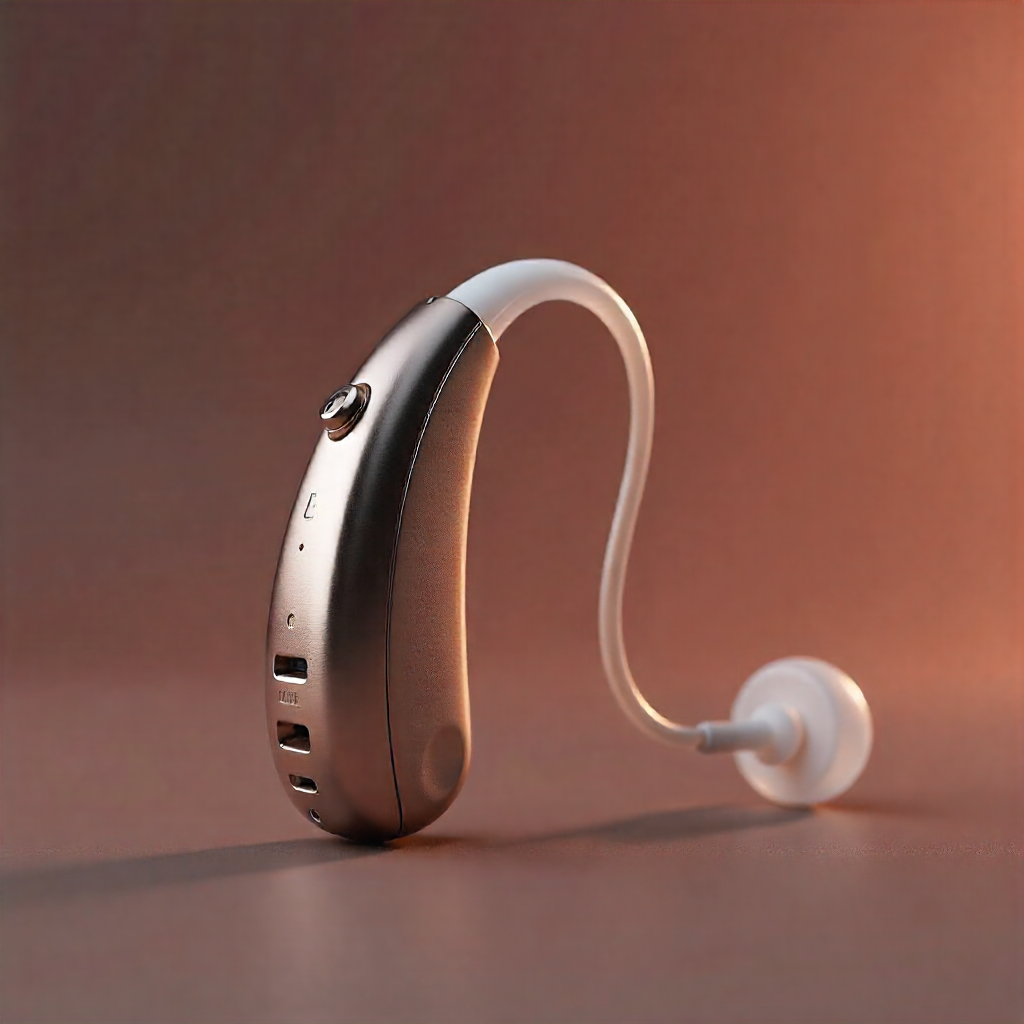
Hearing aids have come a long way from the bulky, whistling devices people used to hide. Today, thanks to rapid innovation, the latest technology in hearing aids is smarter, smaller, and more effective than ever. Modern hearing aids don’t just make sounds louder—they understand your environment, reduce noise, and adapt to your lifestyle.
If you or a loved one are considering hearing aids, this guide explains the newest technologies in simple, easy-to-understand language.
How Hearing Aids Have Evolved
Traditional hearing aids mainly focused on amplifying sound. While helpful, they often struggled in noisy environments and could feel uncomfortable or unnatural. Users had to manually adjust settings, and background noise was a common problem.
The latest technology in hearing aids focuses on clarity rather than volume. Today’s devices use artificial intelligence, digital processing, and wireless connectivity to deliver a much more natural listening experience.
Artificial Intelligence for Smarter Hearing
One of the biggest breakthroughs in the latest technology in hearing aids is the use of artificial intelligence (AI). AI-powered hearing aids can recognize different listening environments—such as quiet rooms, busy streets, or restaurants—and adjust settings automatically.
These smart devices learn from your habits over time, improving sound quality based on how and where you use them. This means fewer manual adjustments and a more personalized hearing experience.
Advanced Noise Reduction and Speech Clarity
Background noise has always been a challenge for hearing aid users. Modern hearing aids now use advanced noise reduction algorithms that separate speech from unwanted sounds.
The latest technology in hearing aids allows the device to focus on voices while lowering background noise like traffic, wind, or crowd chatter. This makes conversations clearer and less tiring, especially in social situations.
Bluetooth and Wireless Connectivity
Connectivity is another major improvement. Most modern hearing aids now come with Bluetooth technology, allowing them to connect directly to smartphones, TVs, laptops, and tablets.
With the latest technology in hearing aids, users can:
-
Stream phone calls directly into their hearing aids
-
Listen to music or videos with better sound clarity
-
Control volume and settings through mobile apps
This level of integration turns hearing aids into multifunctional smart devices.
Rechargeable Batteries for Daily Convenience
Changing tiny batteries used to be a frustrating task. Today, rechargeable hearing aids have become standard. A single charge can last an entire day, even with heavy use.
The latest technology in hearing aids includes fast-charging systems and portable charging cases, making them ideal for travel and everyday use. This feature is especially helpful for older adults who struggle with small battery replacements.
Smaller, More Comfortable Designs
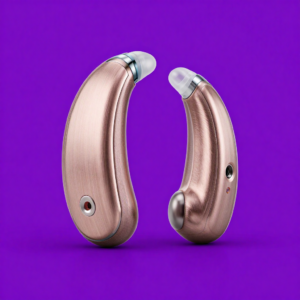
Modern hearing aids are designed to be discreet and comfortable. Advanced microelectronics allow manufacturers to pack powerful technology into extremely small devices.
Some of the latest technology in hearing aids includes invisible-in-canal (IIC) and completely-in-canal (CIC) designs that fit comfortably and are barely noticeable. Despite their size, these devices deliver impressive performance.
Telehealth and Remote Adjustments
Another exciting development is remote care. Many hearing aids now support telehealth features, allowing audiologists to adjust settings remotely through secure apps.
With the latest technology in hearing aids, users can receive professional support without visiting a clinic. This saves time and ensures faster problem-solving when adjustments are needed.
Directional Microphones and 360° Sound
Directional microphones help hearing aids focus on sounds coming from specific directions. Newer models offer 360-degree sound processing, allowing users to hear naturally from all angles.
This feature improves awareness and safety while providing a more realistic listening experience. It’s especially useful in group conversations and outdoor environments.
Health Monitoring Features
Some modern hearing aids go beyond hearing assistance. They now include health tracking features such as step counting, activity monitoring, and even fall detection.
This shows how the latest technology in hearing aids is becoming part of a broader health and wellness ecosystem, offering additional value to users.
Who Can Benefit from Modern Hearing Aid Technology?
The latest technology in hearing aids is beneficial for:
-
People with mild to severe hearing loss
-
Seniors looking for easy-to-use devices
-
Active individuals who need reliable hearing in noisy places
-
Tech-savvy users who prefer smartphone control
These advancements make hearing aids suitable for a wide range of lifestyles.
Final Thoughts
The latest technology in hearing aids has completely transformed how people experience sound. With AI-powered processing, noise reduction, wireless connectivity, and comfortable designs, modern hearing aids offer clarity, convenience, and confidence.
If you’re considering hearing aids, today’s advanced options provide a natural and user-friendly solution that fits seamlessly into daily life. As technology continues to evolve, hearing aids will only become smarter and more personalized.
About the Author