Dental care has changed dramatically over the past decade, and dental technology advancements are playing a major role in improving both patient experience and treatment results. Modern dentistry is no longer limited to traditional tools and manual techniques. Instead, it now relies on smart technology, digital systems, and advanced materials that allow dentists to diagnose problems earlier, treat patients more accurately, and reduce discomfort during procedures. These innovations are helping people maintain healthier smiles with less pain and shorter recovery times.
The Role of Digital Dentistry in Everyday Dental Care
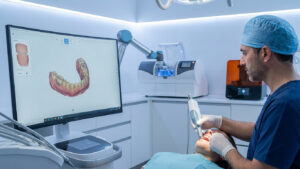
One of the most important dental technology advancements is the shift toward digital dentistry. Digital tools allow dentists to replace old manual processes with faster and more precise solutions. For example, digital impressions have replaced traditional molds, making visits more comfortable for patients. These impressions capture detailed images of teeth and gums in just a few minutes, reducing errors and improving treatment accuracy.
Digital records also help dentists store patient information securely and access it instantly. This improves communication between dental professionals and ensures that treatment plans are based on accurate and up-to-date data. As a result, patients receive better care with fewer repeated visits.
Advanced Imaging for Accurate Diagnosis
Accurate diagnosis is the foundation of successful dental treatment, and dental technology advancements have greatly improved imaging systems. Modern dental imaging tools provide clear and detailed views of teeth, bones, and surrounding tissues. These advanced images help dentists detect issues such as cavities, infections, bone loss, and alignment problems at an early stage.
Three-dimensional imaging allows dentists to plan treatments with greater confidence, especially for complex procedures. With clearer images, dentists can explain conditions to patients more easily, helping them understand their oral health and treatment options.
Artificial Intelligence in Modern Dentistry
Artificial intelligence is becoming an essential part of dental technology advancements. AI-powered software can analyze dental images and identify potential problems faster than manual methods. These systems assist dentists by highlighting areas of concern, reducing the risk of missed diagnoses.
AI also helps create personalized treatment plans by analyzing patient history, dental conditions, and treatment outcomes. This allows dentists to make better decisions and provide customized care. As AI technology continues to improve, it will play an even greater role in preventive dentistry and early detection of oral health issues.
CAD and CAM Technology in Restorative Dentistry
Computer-aided design and computer-aided manufacturing, commonly known as CAD and CAM, have transformed restorative dentistry. These dental technology advancements allow dentists to design and produce crowns, veneers, bridges, and other restorations with extreme precision.
Using digital scans, dentists can create restorations that fit perfectly and match the natural appearance of teeth. Many dental clinics can now complete restorations in a single visit, saving time for both patients and practitioners. This technology improves durability, appearance, and comfort, making dental restorations more reliable than ever before.
3D Printing and Its Impact on Dental Treatments
3D printing is one of the most exciting dental technology advancements in recent years. It allows dental professionals to produce custom dental models, aligners, surgical guides, and prosthetics with high accuracy. This technology reduces production time and lowers costs while maintaining high quality.
For patients, 3D printing means faster treatment, better fitting appliances, and improved comfort. Dentists can quickly adjust designs and create replacements without long waiting periods. As 3D printing technology continues to advance, its applications in dentistry are expected to expand even further.
Laser Dentistry for Comfortable Procedures
Laser dentistry has introduced a more comfortable approach to many dental procedures. This technology allows dentists to perform treatments with minimal pain, reduced bleeding, and faster healing times. Laser tools are often used for gum treatments, cavity removal, and cosmetic procedures.
One of the key benefits of laser dentistry is reduced anxiety for patients. Since lasers often eliminate the need for drills and anesthesia, dental visits become less stressful. These dental technology advancements are especially helpful for patients who fear traditional dental procedures.
Smart Materials and Regenerative Dentistry
Dental technology advancements are not limited to tools and machines. New dental materials are also changing the way treatments are performed. Smart materials can adapt to changes in the mouth, improve durability, and support natural healing processes.
Regenerative dentistry focuses on repairing or regenerating damaged tissues such as enamel, dentin, and bone. Advanced materials and biological techniques are helping dentists restore oral structures more naturally. These innovations may eventually reduce the need for artificial replacements and improve long-term oral health.
Improved Patient Experience Through Technology
One of the biggest benefits of dental technology advancements is the improved patient experience. Modern dental clinics use technology to reduce waiting times, minimize discomfort, and enhance communication. Digital treatment plans and visual simulations help patients understand procedures before they begin.
Technology also supports preventive care by encouraging regular checkups and early treatment. When dental issues are detected early, treatments are simpler, less invasive, and more affordable. This leads to better overall oral health and increased patient satisfaction.
The Future of Dental Technology Advancements
The future of dentistry looks promising as dental technology advancements continue to evolve. Innovations such as robotics, advanced AI systems, and personalized dental care solutions are expected to become more common. These technologies will further improve precision, efficiency, and treatment outcomes.
As dental clinics continue to adopt modern tools, patients can expect safer procedures, faster recovery, and more natural results. Dental professionals will also benefit from improved workflows and better diagnostic capabilities, allowing them to focus more on patient care.
Conclusion
Dental technology advancements are transforming oral healthcare by making treatments more accurate, efficient, and comfortable. From digital imaging and AI-powered diagnostics to 3D printing and laser dentistry, modern innovations are improving both clinical outcomes and patient experiences. As technology continues to advance, dentistry will become even more focused on prevention, personalization, and long-term oral health. Embracing these advancements ensures a healthier future for patients and a smarter, more efficient approach to dental care.Visit online For more details Latest Laser Hair Removal Technology
About the Author
