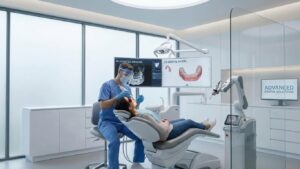
Dentist technology has dramatically changed the field of dentistry, improving patient care, treatment accuracy, and overall comfort. Modern dental clinics are no longer limited to traditional instruments and manual procedures. Instead, the integration of advanced technologies allows dental professionals to diagnose problems more accurately, plan treatments more effectively, and perform procedures with minimal discomfort. With innovations such as digital imaging, artificial intelligence, CAD/CAM systems, 3D printing, laser dentistry, and regenerative materials, dentist technology is revolutionizing oral healthcare and providing patients with faster, safer, and more reliable dental solutions. These advancements not only improve treatment outcomes but also enhance patient experience, making dentistry more accessible and less stressful.
Digital Dentistry in Modern Practices
One of the most important areas of dentist technology is digital dentistry. Digital tools have replaced many traditional methods, such as manual impressions and paper records, making dental procedures faster, more accurate, and more comfortable. Intraoral scanners are a key part of digital dentistry, allowing dentists to create highly detailed 3D images of teeth and gums within minutes. Unlike conventional molds, digital impressions are precise and eliminate discomfort, gagging, and multiple retakes. These images can be stored digitally, enabling dentists to track patient progress and treatment history easily, ensuring more informed decisions for current and future care.
Digital dentistry also facilitates better communication between dental professionals and patients. Through virtual simulations, dentists can show patients exactly what treatment will involve and what results to expect. This helps patients understand their oral health better, reduces anxiety, and encourages them to follow recommended treatments. As a result, digital dentistry is not only improving clinical outcomes but also increasing patient satisfaction.
Advanced Imaging in Dentist Technology
Advanced imaging is another critical component of dentist technology. Traditional X-rays provide a limited two-dimensional view of teeth, often requiring multiple images to understand a patient’s oral condition. Modern imaging technologies, such as 3D cone-beam computed tomography (CBCT), offer detailed, three-dimensional views of teeth, jaws, and surrounding structures. These images allow dentists to detect cavities, infections, bone loss, impacted teeth, and gum disease at an early stage, improving diagnostic accuracy.
High-resolution imaging is particularly useful for planning complex treatments such as dental implants, orthodontic procedures, and reconstructive surgeries. With precise 3D visualization, dentists can map out procedures carefully, minimizing risks and enhancing outcomes. The combination of advanced imaging and digital dentistry ensures that treatments are more predictable, safer, and tailored to the unique anatomy of each patient.
Artificial Intelligence in Dentist Technology
Artificial intelligence (AI) is rapidly becoming an integral part of dentist technology. AI-powered systems analyze dental images to identify potential issues faster than traditional methods. By detecting early signs of decay, gum disease, or structural abnormalities, AI helps dentists intervene sooner, often preventing minor issues from becoming severe problems.
AI also plays a role in treatment planning. It can process vast amounts of patient data, including dental history, imaging results, and risk factors, to recommend personalized treatment options. For example, AI can suggest the most suitable type of dental implant or orthodontic approach based on a patient’s oral structure. This level of precision ensures better outcomes, reduced treatment time, and more efficient use of resources.
Additionally, AI supports predictive dentistry by identifying patterns that may indicate future oral health problems. Dentists can use this information to provide preventive care and tailored recommendations, improving long-term dental health for patients. Overall, artificial intelligence is making dental care smarter, faster, and more personalized.
CAD and CAM Technology in Dental Restorations
Computer-aided design (CAD) and computer-aided manufacturing (CAM) are essential advancements in dentist technology, especially for restorative dentistry. CAD/CAM systems allow dentists to design crowns, bridges, veneers, and other dental restorations digitally. Once designed, these restorations can be manufactured with high precision, ensuring a perfect fit and natural appearance.
One of the key advantages of CAD/CAM technology is efficiency. Many restorations can now be completed in a single visit, reducing the need for multiple appointments and temporary solutions. This not only saves time but also minimizes patient discomfort. CAD/CAM restorations are also more durable and aesthetically pleasing, providing long-lasting solutions that closely match the patient’s natural teeth.
3D Printing in Dentist Technology
3D printing has become one of the most transformative aspects of dentist technology. This innovation allows dental professionals to produce custom models, aligners, surgical guides, dentures, and prosthetics with high accuracy. Unlike traditional methods, 3D printing reduces production time while maintaining quality, making dental care faster and more cost-effective.
Patients benefit significantly from 3D printing technology. Custom appliances fit better, improving comfort and functionality. Dentists can quickly adjust designs or produce replacements when needed, reducing delays and enhancing the overall treatment experience. As 3D printing technology continues to advance, it is expected to play an even larger role in dental laboratories, clinics, and personalized patient care.
Laser Dentistry and Patient Comfort
Laser dentistry is a key component of modern dentist technology, enhancing both precision and patient comfort. Lasers are used for a variety of procedures, including gum reshaping, cavity treatment, teeth whitening, and cosmetic dentistry. Compared to traditional drills, lasers reduce pain, minimize bleeding, and promote faster healing.
Patients with dental anxiety particularly benefit from laser treatments, as many procedures require little to no anesthesia. Laser dentistry also allows dentists to target specific areas with extreme precision, preserving healthy tissue while effectively treating affected areas. This technology improves both clinical outcomes and patient experience, making dental visits less stressful and more efficient.
Smart Dental Materials and Regenerative Dentistry
Another important aspect of dentist technology is the development of advanced dental materials. Smart materials are designed to adapt to the environment in the mouth, improving durability, performance, and aesthetic results. These materials are used in fillings, crowns, and restorations to create more natural, long-lasting solutions.
Regenerative dentistry is also advancing rapidly. New techniques aim to repair or regenerate damaged tissues such as enamel, dentin, and bone using biological materials and growth factors. This approach has the potential to reduce reliance on artificial replacements and promote natural healing. By combining regenerative techniques with advanced materials, dentist technology is enabling treatments that restore oral health more effectively and naturally than ever before.
Tele-Dentistry and Remote Care
The latest dentist technology also includes tele-dentistry, which allows patients to consult with dental professionals remotely. Using video calls, digital imaging, and online records, dentists can assess conditions, provide guidance, and recommend treatments without the patient needing to visit the clinic physically. Tele-dentistry improves access to care, particularly for patients in remote areas or with mobility challenges, and supports preventive care by enabling timely consultations.
The Future of Dentist Technology
The future of dentist technology is promising, with ongoing innovations in artificial intelligence, robotics, digital dentistry, and regenerative treatments. Robotics may soon assist dentists in performing highly precise surgeries, while AI will continue to enhance diagnostics, treatment planning, and predictive care. Personalized dental solutions, powered by digital tools and 3D printing, will further improve patient outcomes and convenience. As dentist technology evolves, dental care is expected to become even more effective, safe, and patient-friendly.
Conclusion
Dentist technology has transformed modern dentistry, making treatments more accurate, efficient, and comfortable for patients. From digital dentistry and advanced imaging to AI, CAD/CAM systems, 3D printing, laser procedures, and regenerative materials, these innovations are reshaping oral healthcare. By embracing these technologies, dentists can provide personalized, high-quality care while ensuring better patient experiences and long-term oral health. The ongoing evolution of dentist technology promises a future where dental treatments are faster, safer, and more effective than ever before, giving patients healthier smiles and improved confidence. Read more about : Dental Technology Advancements: A New Era of Modern Oral Care
About the Author
