Ford and Renault have announced a strategic collaboration to produce smaller electric vehicles (EVs) for the European market, signaling a major push by both automakers to expand their EV offerings in a rapidly growing sector. The partnership reflects the increasing demand for affordable, efficient, and environmentally friendly vehicles across Europe, as governments and consumers alike embrace electric mobility. By leveraging each other’s expertise, Ford and Renault aim to accelerate EV production, reduce costs, and reach a wider range of customers.
Strategic Collaboration in the EV Market
The partnership between Ford and Renault is focused on jointly developing and manufacturing compact electric vehicles designed specifically for European roads and urban environments. Smaller EVs are ideal for cities due to their maneuverability, efficiency, and lower production costs compared to larger electric SUVs or trucks. By working together, the companies can share development costs, streamline supply chains, and take advantage of each other’s technological strengths, ultimately speeding up the time-to-market for new EV models.
Renault brings decades of experience in designing and producing affordable European cars, while Ford contributes its global manufacturing expertise and advanced electrification technologies. This combination allows both companies to reduce the financial risks associated with developing new EV platforms while ensuring high-quality vehicles for consumers.
Focus on Affordability and Efficiency
One of the key goals of this collaboration is to deliver smaller EVs that are affordable without compromising on quality or performance. European consumers increasingly seek electric vehicles that are practical for everyday use, offer low running costs, and meet strict environmental standards. By combining resources, Ford and Renault can produce vehicles with optimized battery systems, efficient drivetrains, and competitive pricing that appeal to a broad customer base.
The emphasis on smaller EVs also addresses urban mobility challenges. Compact electric cars are easier to park, consume less energy, and emit zero tailpipe emissions, making them ideal for cities with congestion and pollution concerns. As European governments continue to incentivize electric mobility through subsidies and stricter emission regulations, the market for these vehicles is expected to grow significantly.
Production and Manufacturing Plans
While specific production details are still emerging, Ford and Renault plan to utilize their existing manufacturing facilities in Europe to build these smaller EVs. By leveraging established plants, they can minimize the need for additional investment and ensure consistent quality standards. The shared production approach also allows for flexibility in scaling output based on market demand and regulatory requirements.
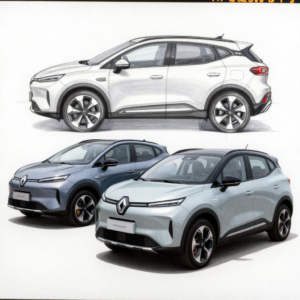
Additionally, the collaboration may lead to shared components and modular platforms, further reducing production costs and increasing efficiency. Using a common EV architecture can simplify maintenance, parts availability, and after-sales service, benefiting both the manufacturers and consumers.
Market Impact and Consumer Benefits
The collaboration between Ford and Renault has the potential to reshape the European EV landscape. By offering smaller, affordable electric cars, the companies aim to attract a wider audience, including first-time EV buyers and urban commuters. This strategy can increase EV adoption rates, reduce reliance on fossil fuels, and contribute to Europe’s broader climate goals.
Consumers stand to benefit from vehicles that combine affordability with advanced technology, including efficient battery systems, intuitive infotainment, and driver assistance features. The partnership may also encourage competitive pricing in the market, pushing other automakers to innovate and offer more accessible EV options.
Challenges and Considerations
Despite the promising outlook, Ford and Renault will face challenges in executing this collaboration. Developing new EVs requires navigating complex regulatory landscapes, managing battery supply chains, and ensuring the vehicles meet stringent safety and environmental standards. Competition in the European EV market is intense, with both established brands and startups vying for market share. Differentiating their products while keeping costs low will be critical for the success of this partnership.
Additionally, consumer perception and adoption play a crucial role. Buyers will expect reliability, performance, and convenient charging infrastructure, and the companies will need to invest in marketing and support services to build trust and awareness.
Future Outlook
The Ford-Renault collaboration marks an important step in the evolution of the European EV market. By focusing on smaller, practical electric vehicles, both companies position themselves to meet growing consumer demand and capitalize on government incentives for green mobility. Over time, this partnership could expand to include new models, advanced technologies, and even additional markets outside Europe.
As electric vehicles become an increasingly dominant part of the automotive landscape, collaborations like this demonstrate how automakers can combine resources, reduce costs, and accelerate innovation. For European consumers, this partnership promises more options, affordability, and sustainable transportation solutions.
Conclusion
Ford and Renault’s joint venture to build smaller EVs in Europe represents a strategic response to rising demand for affordable, efficient, and environmentally friendly vehicles. By leveraging each other’s strengths in technology, manufacturing, and market experience, the two automakers are poised to deliver electric cars that cater to urban mobility needs and European consumers’ expectations. While challenges remain, the collaboration sets the stage for accelerated EV adoption and highlights the growing importance of partnerships in the evolving automotive industry.
About the Author
