Tencent, one of the most powerful companies in the global gaming industry, is undergoing a major transformation. With investments worth over $10 billion in game studios across the world, the tech giant is now restructuring its gaming empire to adapt to a rapidly changing marketplace.
The last few years have reshaped the gaming world dramatically — from slowing mobile game revenue to tighter regulations in China and rising competition from new global publishers. In response, Tencent is making strategic adjustments to ensure its long-term dominance in the gaming ecosystem.
This article explores why Tencent is reshaping its gaming investments, what major shifts are happening, and how it may influence the global gaming landscape.
A Global Giant Facing New Challenges
Tencent has long been the world’s largest gaming company by revenue. Its dominance stems from both internal successes and strategic investments in companies like Riot Games, Epic Games, Super cell, Blue hole, Activation Blizzard, Ubisoft, and dozens of rising indie studios.
However, the environment around Tencent has shifted:
1. Stricter Domestic Regulations
China has implemented tighter controls on gaming, especially related to:
-
playtime restrictions for minors
-
content censorship
-
reduced approval rates for new games
-
monetization limitations
These policies affect Tencent directly, as its home market contributes a significant portion of its revenue.
2. Global Market Saturation
Mobile gaming — long Tencent’s strongest sector — is facing slower growth worldwide. Markets in Southeast Asia, North America, and Europe are maturing, leaving less room for explosive expansion.
3. Rising Competition
Companies like Sony, Microsoft, NetEase, and Embracer Group are aggressively expanding their gaming portfolios. Meanwhile, indie studios and new publishers are gaining global attention with innovative game styles that challenge traditional giants.
4. Economic Pressure
Global economic uncertainty has led companies to re-evaluate costs. Tencent, like many tech firms, is trimming non-essential spending, optimizing its portfolio, and focusing on high-impact projects.
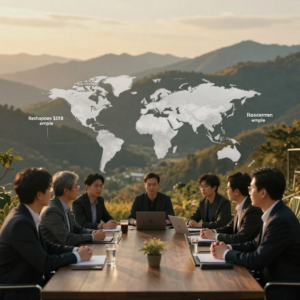
The Strategic Reshaping of Tencent’s Gaming Empire
To stay ahead of the curve, Tencent is now reshaping its global network of gaming investments. This process involves restructuring its stake in several companies, refining its partnerships, and shifting focus toward more profitable and sustainable initiatives.
Key elements of Tencent’s rescaling strategy include:
1. Rebalancing Its Global Investment Portfolio
Tencent has invested in more than 100 gaming companies worldwide, making it one of the largest investors in the industry. However, not all investments deliver long-term value.
The company is now:
-
reducing its stake in certain studios
-
selling shares in underperforming companies
-
reallocating capital toward high-growth sectors
-
strengthening ownership in key partners
Tencent’s updated strategy aims to focus resources on developers with strong franchises, global appeal, and scalable business models.
2. Moving From Majority Control to Strategic Partnership
Tencent is shifting from owning large controlling shares to holding strategic minority positions that allow flexibility and reduced regulatory attention.
This gives Tencent opportunities to influence game development without being directly impacted by geopolitical constraints or foreign investment barriers.
3. Expanding Beyond Mobile Gaming
Mobile gaming made Tencent a global powerhouse, but the future is broader. Tencent is now exploring:
-
PC and console game publishing
-
cross-platform game development
-
high-budget AAA titles
-
cloud gaming infrastructure
-
VR and AR gaming technologies
By diversifying, Tencent reduces risk and positions itself for next-generation gaming experiences.
4. Strengthening International Studios for Global Content
Tencent understands that global gamers increasingly prefer international storylines and characters. To meet that demand, the company is supporting its international studios to produce globally appealing content.
This includes encouraging studios like:
-
Riot Games (League of Legends, Valorant)
-
Epic Games (Fortnite + Unreal Engine)
-
Supercell (Clash of Clans, Brawl Stars)
to develop new titles that reach audiences far beyond Asia.
5. Encouraging Self-Publishing Capabilities
Tencent is giving more autonomy to its partner studios, encouraging them to manage:
-
marketing
-
community building
-
live operations
-
updates and patches
With reduced central control, these studios can operate with more creativity and speed — qualities essential in the fast-paced gaming world.
6. Consolidating Teams and Cutting Costs
As part of its restructuring, Tencent is consolidating departments and streamlining teams to reduce operational costs.
This includes:
-
merging overlapping divisions
-
shifting teams to higher-growth projects
-
cutting support for outdated or low-performing titles
The goal is to increase efficiency and redirect resources to areas that will produce the strongest long-term returns.
How This Reshaping Impacts the Global Gaming Industry
1. More Global Releases From Tencent-Backed Studios
Tencent’s new strategy encourages partner studios to produce high-quality, globally appealing titles. This means gamers worldwide can expect more:
-
AAA-quality releases
-
cross-platform games
-
long-term live-service titles
2. Rising Competition in the Console and PC Markets
Tencent’s increased focus on non-mobile platforms could shift competition with major Western publishers like EA, Take-Two, Microsoft, and Sony.
3. Greater Independence for International Studios
Riot Games, Supercell, and other Tencent-backed companies will have more freedom to innovate without corporate restrictions. This may lead to fresher ideas and faster development cycles.
4. Increased Focus on Esports
Tencent remains deeply committed to esports, especially through League of Legends, Honor of Kings, and Valorant. The reshaping is expected to strengthen esports investments rather than reduce them.
5. Stronger Push Toward Cloud Gaming
Cloud gaming is one of Tencent’s long-term bets. Its restructuring could accelerate:
-
cloud streaming services
-
5G gaming integration
-
game subscription models
What It Means for the Future
Tencent’s repositioning signals a major shift in how global gaming giants operate. Instead of expanding through aggressive spending, companies are now prioritizing:
-
sustainable investment
-
global appeal
-
diversified platforms
-
tech innovation
-
regulatory compliance
Tencent’s new strategy could set an example for other gaming giants looking to stay relevant in a more competitive and unpredictable market.
Conclusion
Tencent’s reshaping of its $10 billion global gaming empire marks a major turning point in the gaming industry. As regulations tighten, markets evolve, and technology advances, the company is preparing for the next generation of gaming growth.
By rebalancing investments, empowering global studios, expanding beyond mobile, and focusing on long-term sustainability, Tencent is positioning itself to remain one of the most influential forces in the gaming world.
About the Author
