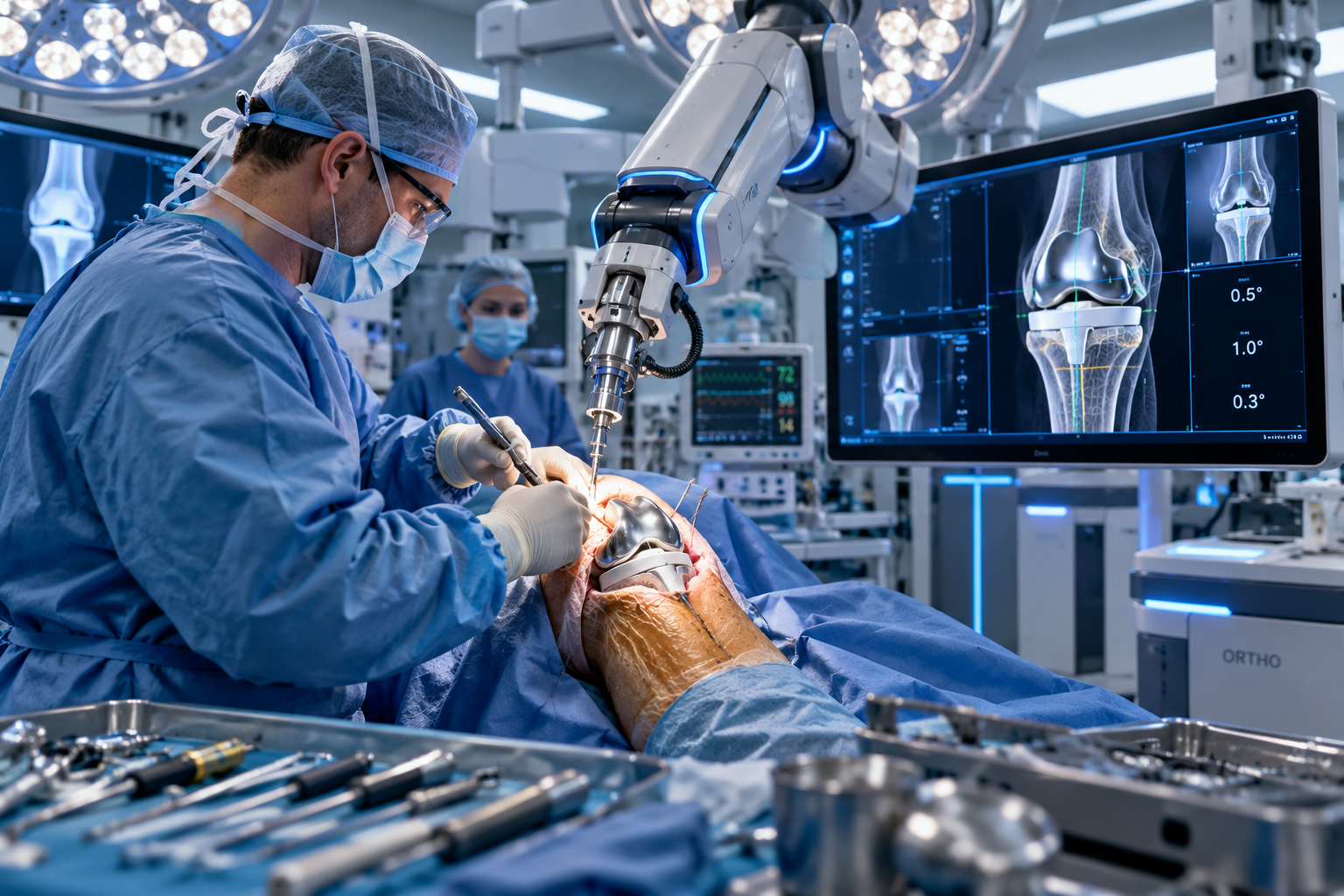
Hair transplant technology has changed significantly over the past few decades. Early procedures often relied on larger grafts and surgical methods that could leave noticeable scarring or produce an unnatural appearance. Today, hair restoration has become much more precise, with doctors using improved extraction tools, digital imaging, specialized implantation devices, and computer-assisted planning.
The latest hair transplant technology is not limited to one procedure. Modern hair restoration combines several techniques depending on a person’s hair-loss pattern, donor hair, scalp condition, and long-term goals.
FUE, DHI, robotic-assisted transplantation, Sapphire FUE, digital hairline planning, artificial intelligence, PRP, low-level laser therapy, and regenerative medicine research are all part of the changing hair-restoration landscape. Some technologies are already available in clinics, while others remain under investigation.
Understanding that difference is important. A treatment promoted as “new” or “advanced” is not automatically proven to work better for every patient.
This guide explains the major developments in modern hair transplantation, what they can do, their limitations, and what patients should know before choosing a treatment.
How Hair Transplant Technology Has Changed
Hair transplantation originally developed around techniques that moved larger groups of hairs from one part of the scalp to another. As surgical understanding improved, doctors began focusing on the natural structure of hair follicles.
A major development was the use of follicular unit transplantation (FUT), followed by follicular unit extraction (FUE).
Instead of treating the scalp as large sections of hair, modern procedures focus on individual follicular units. These units naturally contain one or several hairs. Understanding their natural direction, angle, and density allows surgeons to create more natural-looking results.
Technology has continued to improve around this basic concept.
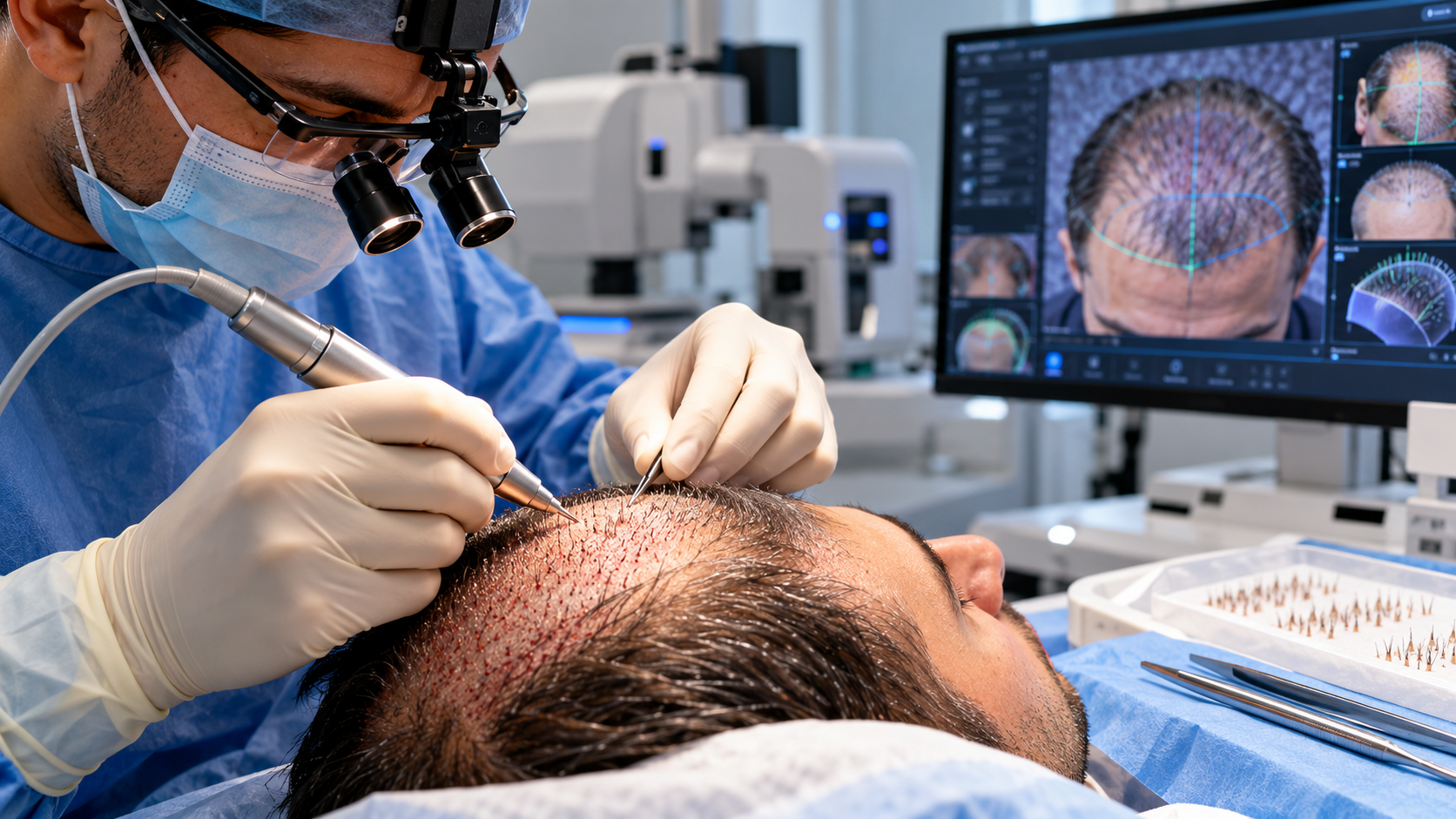
Modern clinics may use high-magnification systems, motorized extraction tools, specialized implantation devices, digital scalp analysis, and computer-assisted planning.
The biggest change is therefore not one revolutionary machine. It is the combination of better medical knowledge, improved instruments, more detailed planning, and greater attention to long-term hair preservation.
FUE: One of the Main Modern Hair Transplant Techniques
Follicular Unit Extraction, commonly known as FUE, remains one of the most widely used hair transplant techniques.
During FUE, individual follicular units are extracted from a donor area, usually at the back or sides of the scalp. The grafts are then prepared and implanted into areas affected by thinning or hair loss.
Modern FUE has benefited from improvements in extraction punches and surgical magnification.
The surgeon can select suitable follicles and carefully determine where they should be placed. The goal is to preserve the donor area while producing an appropriate distribution of hair in the recipient area.
One of the main differences between FUE and older strip-based procedures is the way the donor follicles are removed. FUE extracts individual follicular units instead of removing a continuous strip of scalp.
However, FUE is still a surgical procedure. The quality of the result depends on the surgeon’s skill, graft handling, donor management, recipient-site creation, and the patient’s individual characteristics.
FUT: An Older Technique That Still Has a Role
Follicular Unit Transplantation (FUT) is an established surgical technique that should not be ignored when discussing modern hair restoration.
During FUT, a strip of scalp is removed from the donor area and divided into individual follicular grafts.
Although FUE receives more attention because of its minimally invasive extraction method, FUT can still be considered in selected patients.
For people who require a relatively large number of grafts and have suitable donor characteristics, a surgeon may consider FUT as part of the treatment plan.
The main disadvantage is that FUT leaves a linear scar in the donor area.
This illustrates an important point about modern hair transplant technology: newer does not necessarily mean appropriate for everyone. A qualified specialist should select the technique according to the patient’s situation rather than simply choosing the newest equipment.
DHI Hair Transplant Technology
Direct Hair Implantation (DHI) is another technique frequently discussed in modern hair restoration.
DHI generally uses a specialized implantation pen to place extracted follicular units into the recipient area.
The implantation device can allow the surgeon to control the direction, angle, and depth of individual graft placement.
This can be particularly useful when working around areas where precise hair direction is important, such as the frontal hairline.
It is worth noting that DHI and FUE are not always competing procedures. FUE describes a common method of extracting follicular units, while DHI generally describes a particular approach to implantation.
A clinic may therefore use FUE for extraction and a DHI-style implantation device for placing the grafts.
Patients should ask clinics to explain the complete procedure rather than relying on the treatment name alone.
Sapphire FUE
Sapphire FUE is a variation of FUE in which sapphire blades are used to create recipient channels.
The channels are the small openings into which the prepared follicular grafts are placed.
The use of sapphire instruments is intended to provide precise channel creation. However, the material of the blade is only one part of the procedure.
The surgeon still needs to determine the appropriate angle, direction, depth, and distribution of the grafts.
A clinic using advanced instruments does not automatically guarantee better results.
The experience of the surgical team and the quality of treatment planning remain essential.
Robotic Hair Transplantation
Robotic-assisted hair transplantation is one of the more recognizable developments in modern hair restoration.
Robotic systems can use cameras, imaging, computer algorithms, and automated assistance to identify and extract suitable follicular units.
The system may analyze characteristics such as follicle position, density, and angle before assisting with extraction.
One potential advantage is greater consistency during repetitive parts of the procedure.
However, robotic technology does not mean that a surgeon is no longer required.
Medical evaluation, treatment planning, hairline design, donor management, and many surgical decisions still require professional judgment.
Robotic systems may also be more suitable for certain patients than others. Hair characteristics, donor density, previous procedures, and the pattern of hair loss can affect whether this technology is appropriate.
AI-Assisted Hair Transplant Planning
Artificial intelligence is another emerging technology in hair restoration.
AI and computer vision systems can analyze scalp images and help identify patterns of hair loss. Depending on the system, digital analysis may assist with estimating density, identifying donor areas, planning hairlines, or comparing changes over time.
Digital planning can also help patients visualize different potential hairline designs.
For example, software may help evaluate how a proposed hairline relates to facial proportions and existing hair density.
However, an AI-generated image is not a guarantee of what a patient’s final hair growth will look like.
Hair transplantation involves biological variables that software cannot completely predict.
AI should therefore be viewed as a planning and analysis tool rather than a replacement for a qualified medical professional.
Advanced Hairline Design
Hairline design is one of the most important parts of a hair transplant.
A technically successful transplant can still look unnatural if the hairline is designed incorrectly.
Modern planning considers factors such as facial proportions, age, existing hair, donor availability, hair thickness, and the expected progression of future hair loss.
Doctors may use digital photography and imaging systems to examine the scalp from multiple angles before designing the recipient area.
The goal is usually to create a hairline that looks natural rather than simply placing as many grafts as possible into the front of the scalp.
A conservative design can also help preserve donor hair for potential future treatment.
High-Magnification Graft Preparation
Technology has also improved the way extracted grafts are examined and prepared.
A follicular unit can contain different numbers of hairs. Some contain a single hair, while others contain multiple hairs.
High-magnification equipment can help the surgical team examine these grafts more closely.
This can be useful when preparing grafts for different parts of the scalp.
For example, single-hair grafts may be appropriate for creating a softer transition at the front of the hairline, while multi-hair grafts can contribute to density behind it.
Careful handling is also important because transplanted follicles need to remain viable before implantation.
Improved Follicle Extraction Technology
Extraction instruments have also developed over time.
Traditional manual punches continue to be used, while some clinics use motorized or specialized extraction systems.
The purpose is to make follicular extraction more controlled and efficient while reducing unnecessary damage to the follicles and surrounding tissue.
The appropriate instrument can depend on the patient’s hair characteristics.
Curly hair, tightly angled follicles, thick skin, previous surgery, and limited donor density can all create different technical challenges.
Therefore, there is no single extraction tool that is universally suitable for every patient.
Digital Scalp Imaging
Digital scalp imaging is becoming increasingly useful for evaluating hair loss.
High-resolution images can help doctors examine areas of thinning that may not be obvious during a normal visual inspection.
Imaging can be used to assess characteristics such as:
- Hair density
- Hair shaft thickness
- Donor-area quality
- Miniaturization
- Changes in hair density over time
- Progress following treatment
Repeated digital measurements can also make it easier to monitor changes rather than relying entirely on subjective visual comparisons.
PRP and Growth-Factor Treatments
Hair restoration technology is not limited to transplantation.
Platelet-rich plasma (PRP) is a non-surgical treatment used by some hair-restoration providers.
The procedure involves drawing a small amount of the patient’s blood, processing it to concentrate platelets, and injecting the resulting preparation into the scalp.
PRP contains biological components involved in tissue repair and signaling.
It has been studied as a treatment for certain forms of hair loss and is also sometimes used alongside hair transplantation.
However, treatment protocols vary considerably, and research has produced different findings regarding effectiveness.
Patients should therefore discuss the evidence, expected benefits, number of sessions, and limitations with a qualified clinician.
Low-Level Laser Therapy
Low-level laser therapy (LLLT) is another technology used in some hair-loss treatment programs.
LLLT uses low-intensity light directed toward the scalp.
The approach is intended to influence cellular activity around hair follicles and support hair growth.
Laser devices may be available as clinical systems or home-use devices.
Results can vary, and LLLT is generally considered a non-surgical option rather than a replacement for hair transplantation when significant permanent baldness is present.
For patients with thinning rather than extensive baldness, a clinician may discuss whether it is appropriate as part of a broader treatment plan.
Personalized Hair-Loss Treatment
Another important development is the movement toward personalized treatment.
Not all hair loss has the same cause.
Androgenetic alopecia, alopecia areata, nutritional deficiencies, hormonal changes, inflammatory scalp conditions, and other factors can contribute to hair loss.
Modern hair restoration therefore increasingly emphasizes identifying the underlying pattern before deciding on treatment.
Some programs are also investigating genetic information and other biological markers to understand how individuals may respond to different treatments.
Personalized medicine is an evolving area, and patients should distinguish between clinically established testing and commercial claims that have not been sufficiently validated.
Stem Cells and Hair Follicle Regeneration
Stem-cell research is one of the most closely watched areas in hair restoration.
Hair follicles contain populations of stem cells that play an important role in the hair-growth cycle.
Researchers are investigating whether these cells can be manipulated to stimulate existing follicles or potentially create new follicular structures.
This could have major implications for people with limited donor hair if researchers eventually develop reliable methods for producing new functional follicles.
However, this is an area where marketing can get ahead of science.
Stem-cell hair restoration and hair cloning are not currently equivalent to an established, universally available replacement for conventional transplantation.
Much of the research remains experimental or is being evaluated through clinical research.
Patients should be particularly cautious about clinics promising guaranteed results from “stem-cell” or “regenerative” procedures.
Combination Hair Restoration
One of the biggest trends in modern hair restoration is combining different treatments.
A patient may receive a hair transplant while also using treatments designed to preserve existing hair.
This matters because transplantation does not necessarily stop future loss in follicles that were not transplanted.
A person could have a successful transplant and later experience thinning in the surrounding natural hair.
Depending on the diagnosis and medical history, a doctor may discuss treatments such as minoxidil or other prescription options.
PRP, laser therapy, or other supportive treatments may also be considered in some situations.
The appropriate combination depends on the individual rather than a universal formula.
What Is Actually New in Hair Transplant Technology?
It can be difficult to separate genuine technological progress from marketing.
Some technologies are already used in clinical practice, including:
- Advanced FUE instruments
- Specialized implantation devices
- Digital scalp imaging
- High-magnification graft preparation
- Robotic-assisted systems
- Computer-assisted hairline planning
- PRP
- Low-level laser devices
Other developments, including certain stem-cell and follicle-regeneration approaches, remain under research.
This distinction matters because a treatment being described as “the newest technology” does not necessarily mean that it has stronger evidence than established procedures.
How to Choose the Right Technology
Choosing a hair transplant should begin with the patient’s diagnosis rather than the equipment.
Before undergoing a procedure, patients should ask the clinic:
Who will perform the procedure?
Understand whether the surgeon personally performs the key surgical stages or whether much of the procedure is delegated.
Why is this technique being recommended?
A reputable clinic should be able to explain why a particular approach suits the patient’s hair loss and donor characteristics.
How many grafts are needed?
The number should be based on the patient’s donor supply, recipient area, density goals, and long-term plan.
What happens if hair loss continues?
Future hair loss should be considered before designing the transplant.
What are the risks and limitations?
Every medical procedure has potential risks, and patients should understand them before treatment.
What Can Patients Expect After a Hair Transplant?
Hair does not normally grow immediately after transplantation.
The transplanted hairs can go through a temporary shedding phase before new growth becomes visible.
Hair growth then develops gradually.
The timeline varies from person to person, and the final appearance may take many months to evaluate.
Aftercare is also important. Patients should follow the instructions provided by their medical team regarding washing, physical activity, medications, and scalp care.
It is also important to understand that transplanted hair does not prevent unrelated or non-transplanted hair from continuing to thin.
Frequently Asked Questions
What is the latest hair transplant technology?
Current hair restoration technology includes advanced FUE, DHI implantation, robotic-assisted systems, digital scalp imaging, computer-assisted planning, specialized graft-handling tools, and non-surgical technologies such as PRP and low-level laser therapy.
Is FUE better than FUT?
FUE and FUT have different advantages and limitations. The appropriate approach depends on donor hair, hair-loss pattern, surgical goals, and individual circumstances.
Is DHI a completely different procedure from FUE?
Not necessarily. FUE commonly describes how follicles are extracted, while DHI generally refers to a method of implanting extracted follicles using a specialized device.
Does robotic hair transplantation eliminate the need for a surgeon?
No. Robotic systems can assist with specific parts of the procedure, but medical evaluation, planning, and surgical decision-making remain important.
Is AI reliable for hair transplant planning?
AI can assist with image analysis and planning, but it cannot guarantee future hair growth. Its output should be interpreted by an appropriately qualified professional.
Are stem-cell hair transplants available?
Stem-cell and follicle-regeneration research is ongoing. Some commercial services use regenerative terminology, but patients should carefully evaluate the clinical evidence and regulatory status of any such treatment.
Does a hair transplant stop hair loss permanently?
A transplant moves hair follicles into areas affected by hair loss, but it does not necessarily stop future thinning of non-transplanted hair. Long-term management may therefore be important.
The Future of Hair Transplant Technology
The future of hair restoration is likely to involve greater personalization.
AI-assisted imaging may become more sophisticated, allowing clinicians to measure changes in density and follicle characteristics with greater precision.
Robotic systems may continue to improve their ability to identify and extract suitable grafts.
Regenerative medicine could also become increasingly important if researchers successfully develop clinically proven methods for stimulating or regenerating hair follicles.
Genetic and biological research may eventually help doctors understand why certain patients respond differently to particular treatments.
However, these developments should be viewed realistically.
The future of hair restoration is not necessarily about replacing every existing procedure with a single revolutionary machine. Instead, progress is likely to come from combining better diagnosis, improved surgical techniques, digital planning, biological research, and personalized treatment.
Conclusion
The latest hair transplant technology is changing hair restoration from a relatively standardized surgical procedure into a more personalized field.
FUE and FUT remain important surgical techniques, while DHI and Sapphire FUE offer different approaches to extraction and implantation. Robotic systems and AI-assisted planning are introducing more computer-based assistance, while digital scalp imaging and high-magnification graft preparation can improve assessment and surgical planning.
Outside surgery, PRP, low-level laser therapy, and personalized medical treatments provide additional options for some people experiencing hair loss. At the same time, stem-cell research and follicle regeneration could influence the future of hair restoration, although these approaches require further research before many of the claims surrounding them can be considered established. read more